

Corporate gifting has evolved significantly over the last decade.
What once worked at scale identical hampers, standardised merchandise, and logo-heavy kits, no longer delivers impact. Employees, clients, and partners have seen these formats repeatedly. Familiarity has reduced engagement and, in many cases, relevance.
Across large-scale corporate gifting programs, clear patterns have emerged. In 2026, gifting that performs well is intentional, personalised, operationally clean, and designed as a system rather than an activity.
The following trends reflect what consistently works across organisations and why.
Personalisation Is Now the Baseline
Personalisation has shifted from a differentiator to an expectation.
Programs that include names on products, role-relevant kits, choice-based formats, and short contextual messages consistently see higher engagement. These gifts are more likely to be used, shared internally, and acknowledged publicly.
The implication is clear. Recognition that feels specific creates stronger emotional recall than high-cost but generic products. In 2026, relevance matters more than novelty.
BrandStores Reduce Friction and Increase Participation
One of the most common reasons gifting programs underperform is operational complexity.
Manual approvals, address collection, multiple vendors, and spreadsheet-based tracking introduce friction that erodes experience quality. Even well-designed gifts lose impact when delivery and redemption feel cumbersome.
BrandStore-led models remove this friction. Employees can browse, select, and redeem gifts independently within defined frameworks. This approach enables continuous recognition, improves participation rates, and allows teams to scale programs without increasing operational load.
The outcome is consistency without compromise.
Premium Kits Outperform Bulk Distribution
Volume-based gifting strategies consistently underperform.
Programs that reduce quantity and invest in higher-quality, thoughtfully curated kits see better retention, higher usage, and stronger perception value. Premium products signal intent. They are more likely to be kept, used, and associated positively with the organisation.
The pattern is repeatable. Fewer, better-designed gifts outperform large-scale generic distribution every time.
Onboarding Kits Shape Early Cultural Perception
For distributed and hybrid teams, onboarding kits have become a critical touchpoint.
When delivered on day one, a well-designed onboarding kit acts as the first physical signal of company culture. It establishes tone, communicates care, and creates a sense of belonging before relationships fully form.
High-performing onboarding kits typically include practical work accessories, subtle branded apparel, and a clear welcome message aligned to company values. These elements collectively influence early engagement far beyond the first week.
Sustainability Is No Longer Optional
Sustainability has moved from preference to expectation.
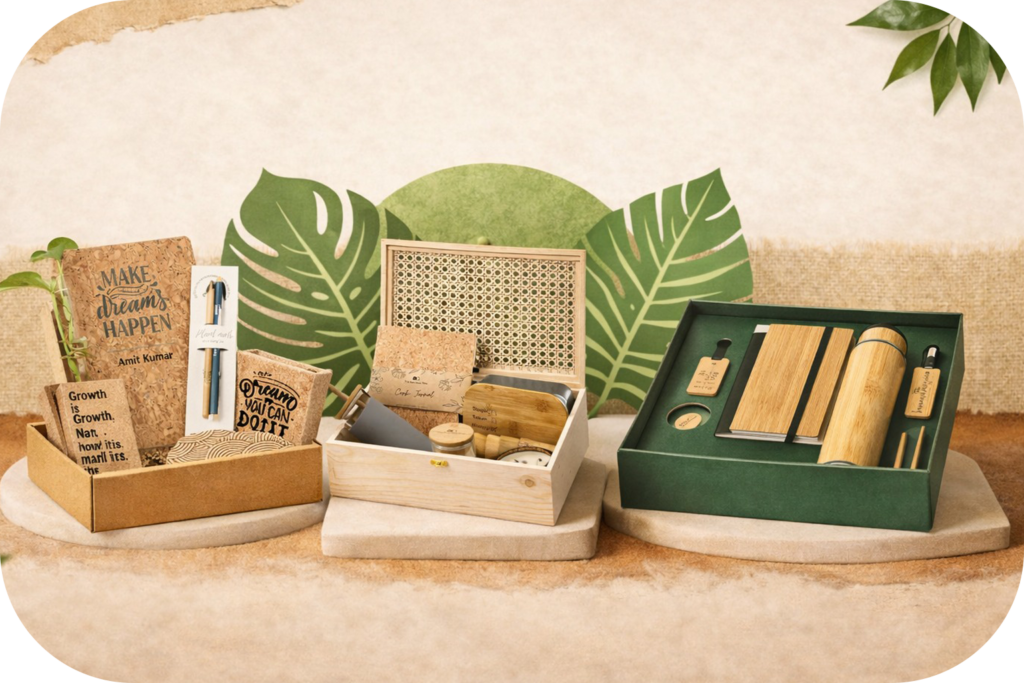
Employees increasingly notice materials, packaging choices, and product longevity. Programs that prioritise reusable products, eco-conscious materials, and minimal packaging consistently receive more positive feedback.
Sustainable gifting communicates responsibility without needing explanation. It aligns recognition with organisational values and builds trust quietly over time.
Wellness Gifting Reflects Modern Work Realities
Wellness-focused gifting has expanded beyond fitness gadgets.
Effective programs now focus on everyday well-being. Ergonomic desk accessories, nutrition-focused kits, hydration products, and stress-relief items are seeing higher adoption and usage.
These gifts resonate because they acknowledge how people actually work and live. In 2026, recognition that supports well-being signals long-term thinking, not transactional appreciation.
Corporate Swag Has Matured
Corporate merchandise has undergone a reset.
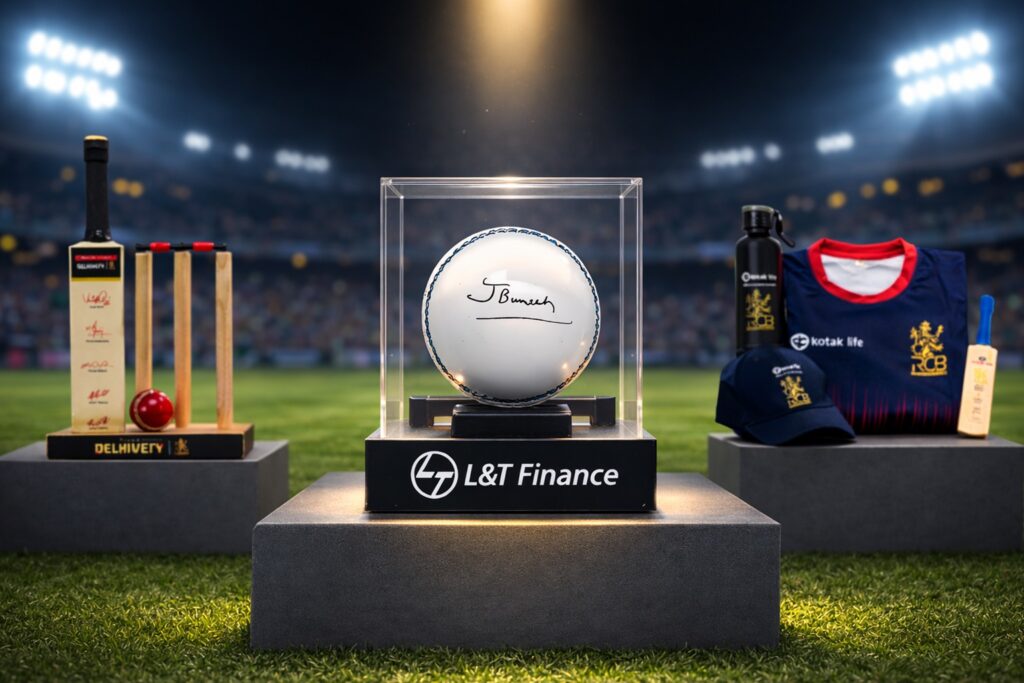
High-engagement swag today is subtle, wearable, and design-forward. Minimal branding, neutral colour palettes, and quality materials outperform loud logos and novelty items.
When employees choose to use or wear merchandise outside work, it reflects genuine brand alignment rather than forced visibility.
Year-Round Recognition Outperforms Event-Based Gifting
Recognition works best when it is habitual, not episodic.
Programs limited to annual festivals or review cycles miss ongoing engagement opportunities. Organisations that distribute recognition across onboarding, milestones, birthdays, project completions, and spot rewards consistently see stronger cultural alignment.
Smaller, frequent moments of appreciation build more durable engagement than one-off gestures.
A Proven Framework for Corporate Gifting in 2026
Across large-scale programs, gifting delivers the highest impact when designed as a system.
Effective programs follow these principles:
- Prioritise relevance before procurement
- Offer choice wherever possible
- Invest in quality over quantity
- Treat onboarding as a strategic moment
- Embed sustainability by default
- Include wellness with intent
- Distribute recognition throughout the year
- Use structured platforms to manage scale
When these elements work together, gifting shifts from operational burden to cultural infrastructure.
Corporate gifting in 2026 is not about products.
It is about experience, relevance, and execution at scale.
Personalisation, premium kits, BrandStores, wellness integration, sustainability, and continuous recognition are no longer trends. They are the new baseline for effective programs.
The defining question for organisations is no longer what to gift.
It is how recognition is designed, delivered, and remembered.
When gifting feels painful, the issue is rarely the product.
It is almost always the system behind it.