

In corporate branding, the design is rarely the weak link.
The execution is.
Across large merchandise rollouts and gifting programs, the same issue shows up repeatedly. A strong logo placed on a good product ends up looking average because the printing method was chosen as a production decision, not a brand decision.
That choice shapes how the brand is perceived long after the product leaves the warehouse.
Printing techniques are not interchangeable. Each one changes how a logo feels in the hand, how it ages over time, and how seriously the brand is taken.
Below is a clear and practical guide to the most widely used branding methods and where each one fits best.
Fabric Printing Techniques
Screen Printing
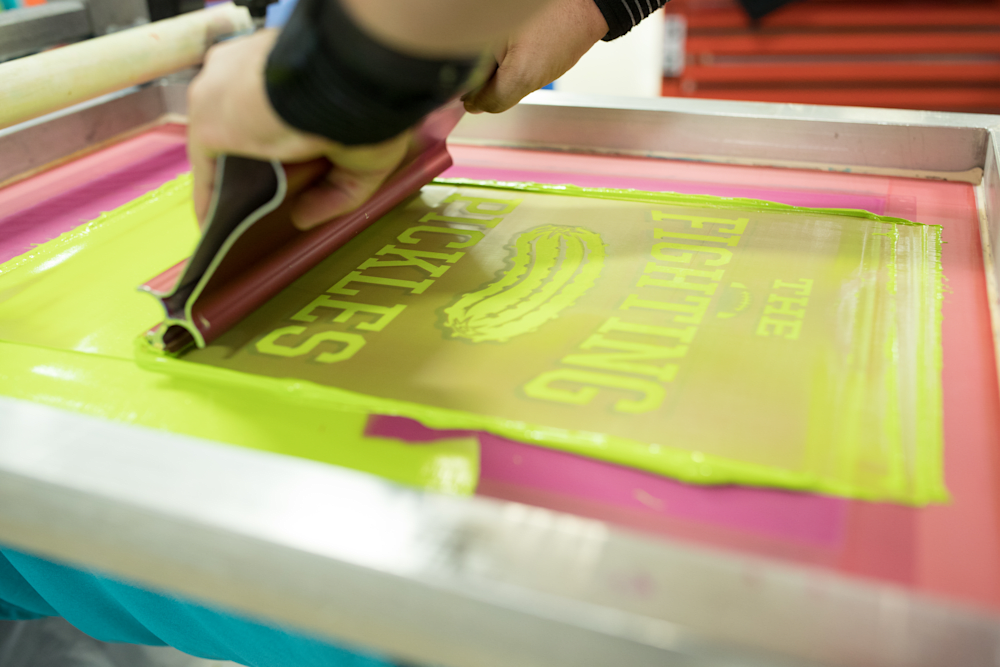
Best for t-shirts, tote bags, hoodies and bulk apparel programs.
Screen printing has been used for decades for one reason. It works at scale. When the design has limited colours and quantities are high, this method delivers strong colour blocks and durability.
It is dependable and cost-efficient for large runs.
Where it struggles is with highly detailed artwork or small production quantities. It is not built for complexity. It is built for volume.
Use it when the goal is consistency across hundreds or thousands of pieces.
DTF Direct to Film Printing
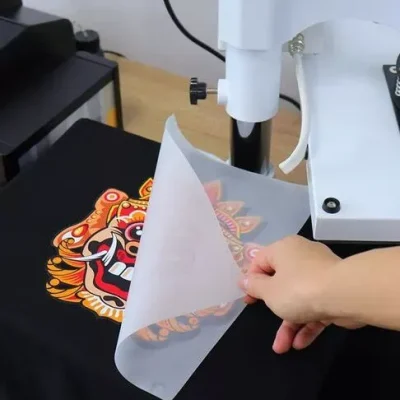
Best for multi-colour apparel and mid-volume programs.
DTF allows complex logos and gradients to transfer cleanly onto fabric. It removes many of the setup limitations associated with screen printing.
This makes it suitable when design accuracy matters and volumes are moderate rather than massive.
It is particularly useful for curated employee kits or custom merchandise where each piece needs to look sharp but quantities are controlled.
Embroidery
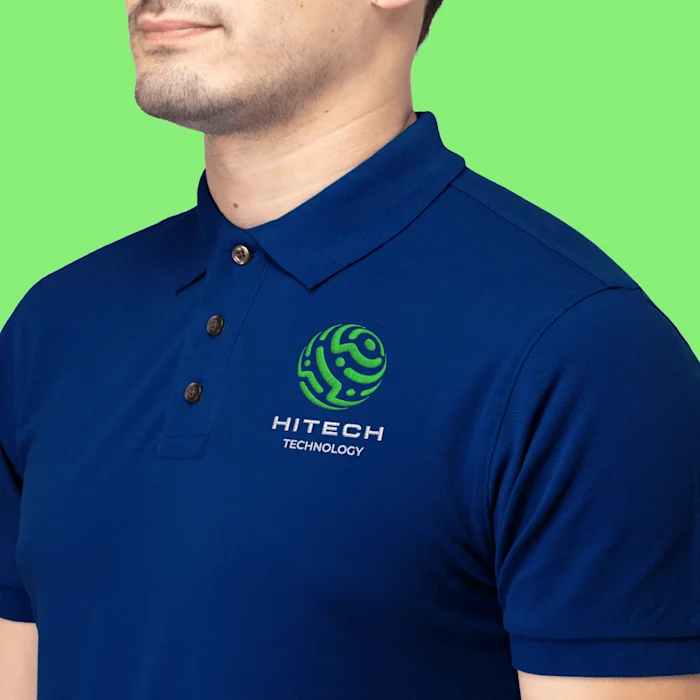
Best for polos, jackets, caps and uniforms.
Embroidery adds weight to a logo. Thread creates texture and presence. It feels permanent and considered.
On apparel, embroidery usually increases perceived value immediately. It performs well over time and withstands repeated washing.
However, it requires a clean logo structure. Very small text or intricate detailing does not translate well into thread.
Use it when the brand should feel established and durable.
Hard Surface Branding Techniques
UV Printing
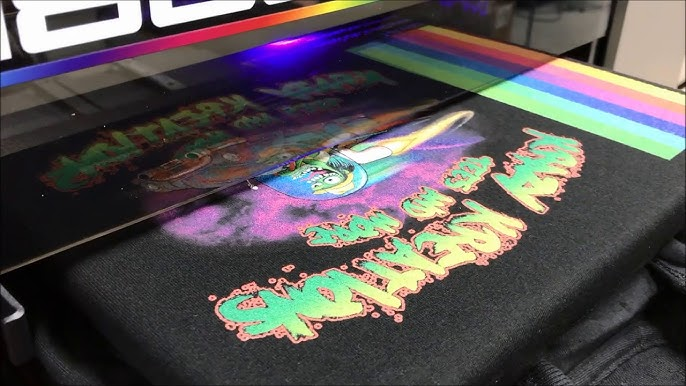
Best for bottles, acrylic awards, desk accessories and tech products.
UV printing cures ink instantly using ultraviolet light. The result is sharp detail and strong colour reproduction.
It works well on flat and rigid surfaces. For products where visual clarity matters, UV printing is often the right choice.
It balances quality and flexibility without requiring heavy setup processes.
Pad Printing
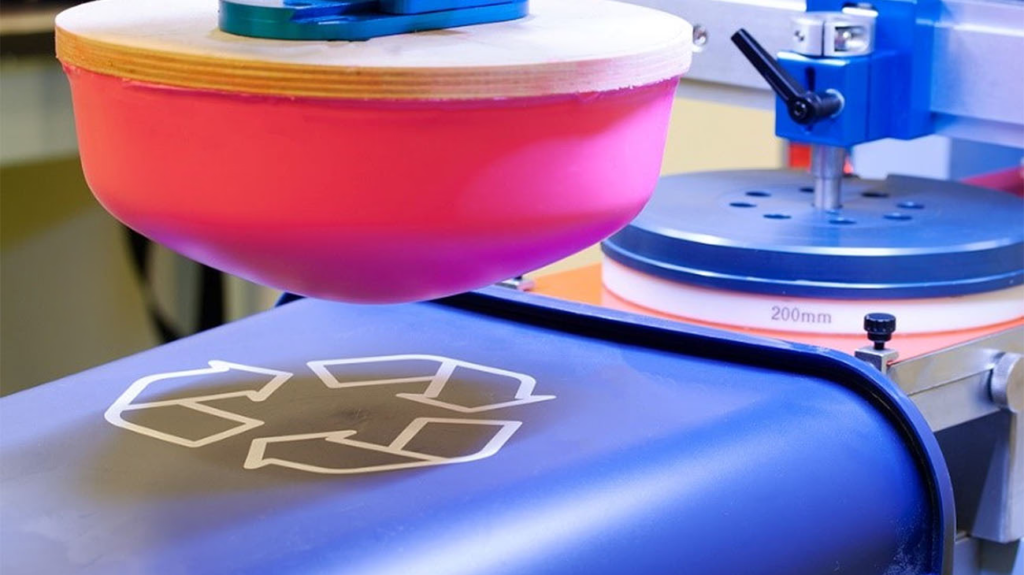
Best for pens, USB drives and small curved items.
Pad printing exists because not all products are flat. It transfers ink using a soft silicone pad, allowing branding on rounded or uneven surfaces.
It is practical for smaller items where space is limited and budgets are controlled.
It is not about dramatic visual impact. It is about functional branding on compact products.
Laser Engraving
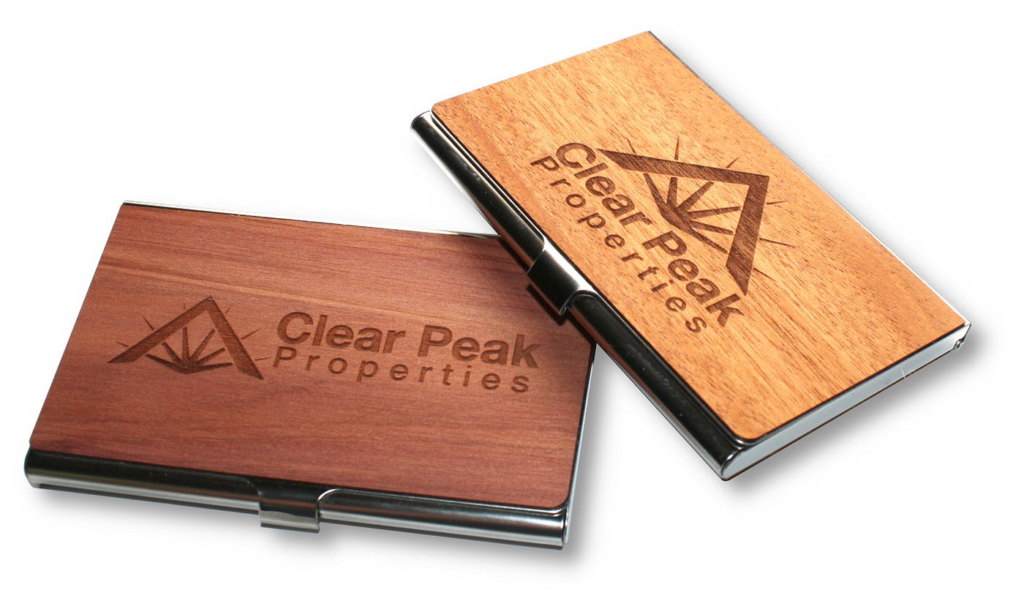
Best for metal bottles, wooden boxes, executive pens and awards.
Laser engraving removes material rather than adding ink. That distinction matters.
There is no peeling. No fading. No cracking.
It feels subtle and permanent. It does not shout. It signals longevity.
This technique works best when the product itself is meant to last and the brand wants to feel equally enduring.
Texture-Based Techniques
Embossing
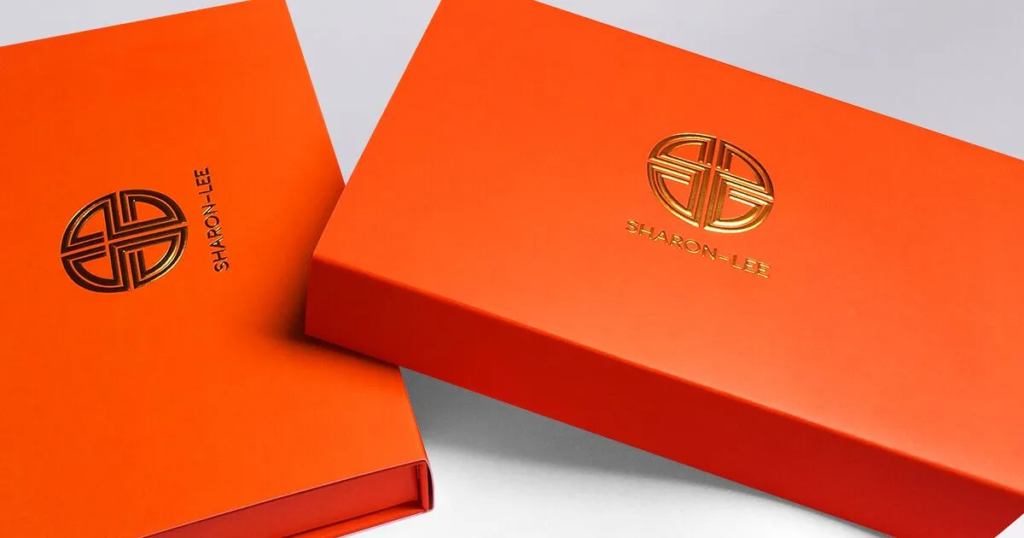
Best for diaries, folders, and premium packaging.
Embossing raises the logo from the surface. It adds dimension without using colour.
The effect is quiet but refined. It works well when the brand does not need bold visibility but should feel integrated into the product.
Debossing
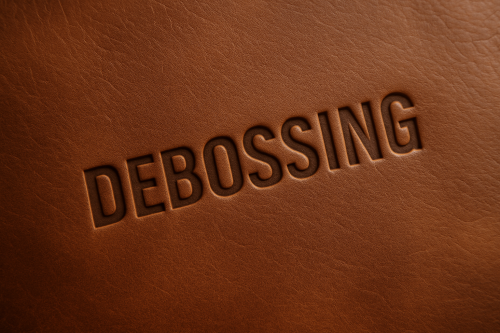
Best for leather accessories and executive stationery.
Debossing presses the logo into the surface. The result is understated and tactile.
It is often chosen in environments where restraint carries more weight than visibility.
Doming
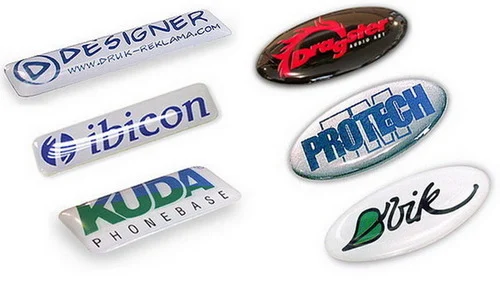
Best for badges, labels and small accessories.
Doming adds a transparent resin layer over the logo. It creates a glossy, slightly raised finish.
It increases durability and gives smaller products more visual depth.
When used correctly, it enhances rather than overwhelms.
Mirror Logo and 3D Custom Logo
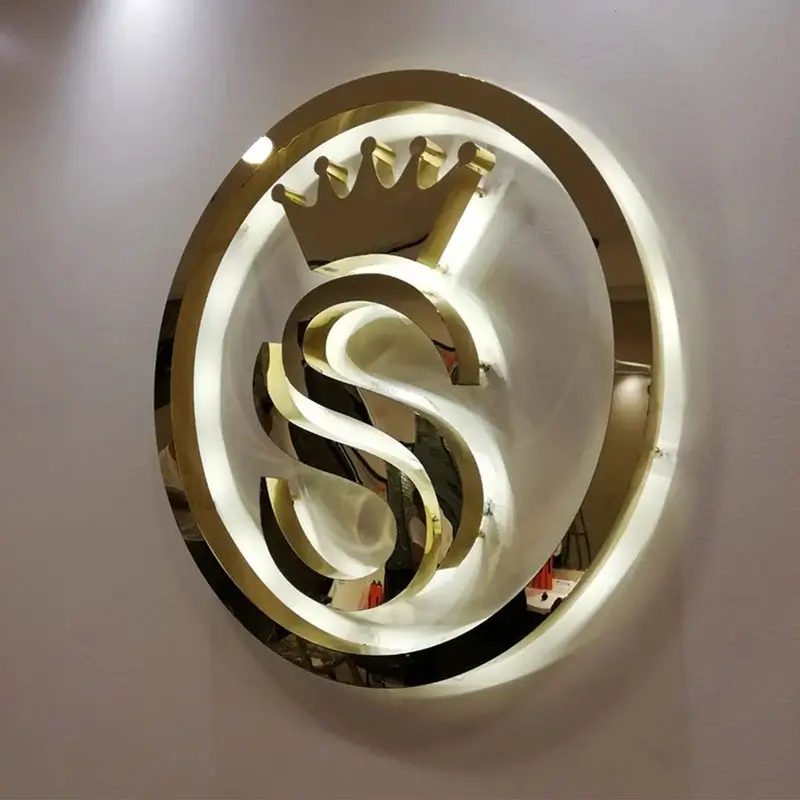
Best for display-driven merchandise.
Mirror finishes reflect light and attract attention. Three-dimensional logos create depth and physical presence.
These methods are best reserved for situations where visibility matters. They are not always suitable for conservative enterprise settings, but can be powerful when aligned with the right context.
Light Up Logo
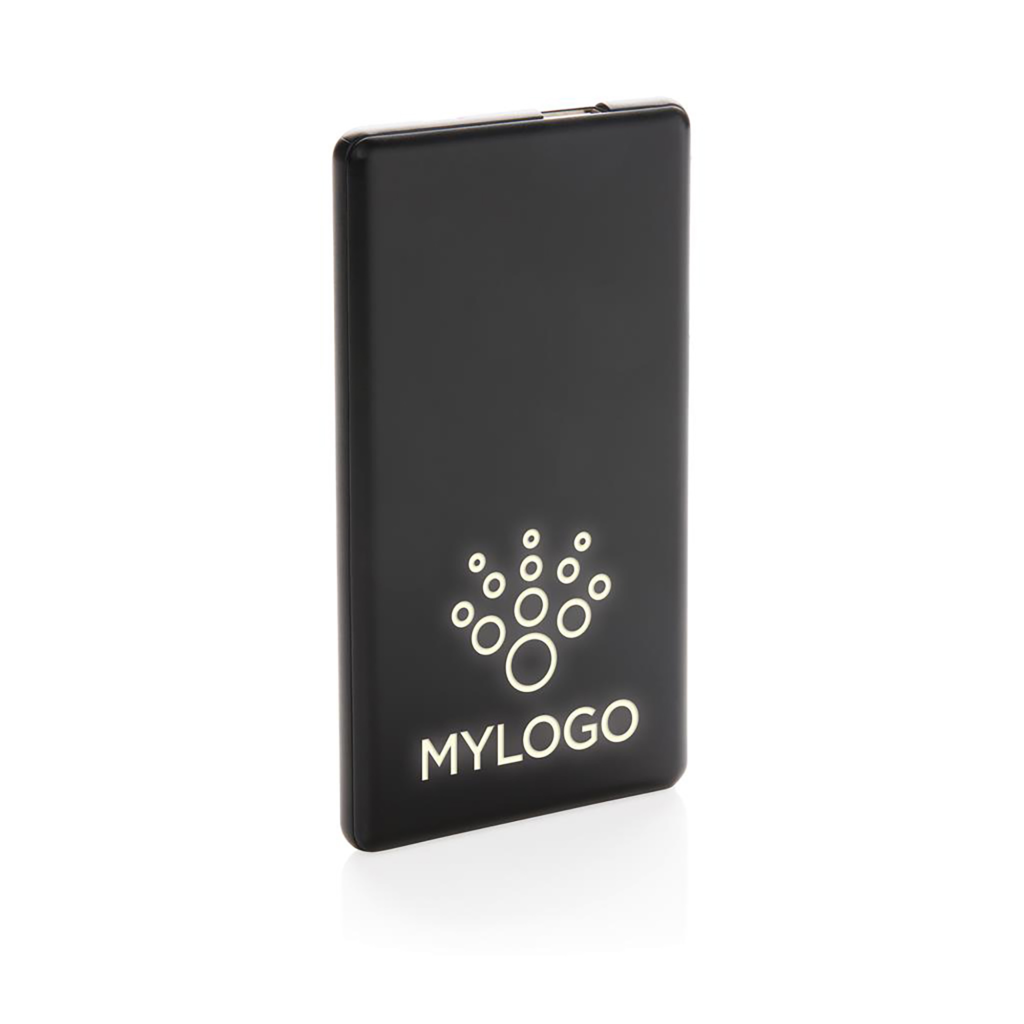
Best for tech-focused products and event kits.
Light integrated branding creates immediate attention. It is impactful but must be used carefully.
When applied without clear purpose, it can feel excessive. When aligned with a launch or experiential campaign, it can elevate recall.
Print Techniques for Packaging and Collateral
Offset Printing
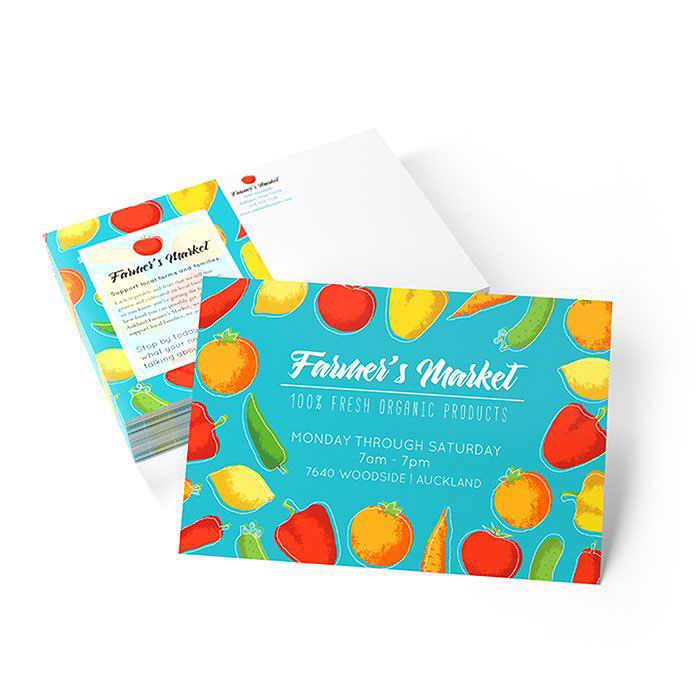
Best for large volume packaging, brochures and printed inserts.
Offset printing remains the standard for consistent colour reproduction at scale. It is reliable and cost-effective for bulk print runs.
When packaging quality matters, offset printing delivers consistency.
Digital Printing
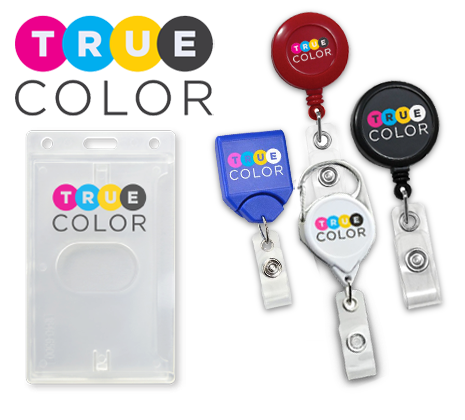
Best for short runs and personalised print jobs.
Digital printing allows quick turnaround and multi-colour flexibility without heavy setup requirements.
It is useful when speed and adaptability are more important than volume efficiency.
Water Transfer Printing
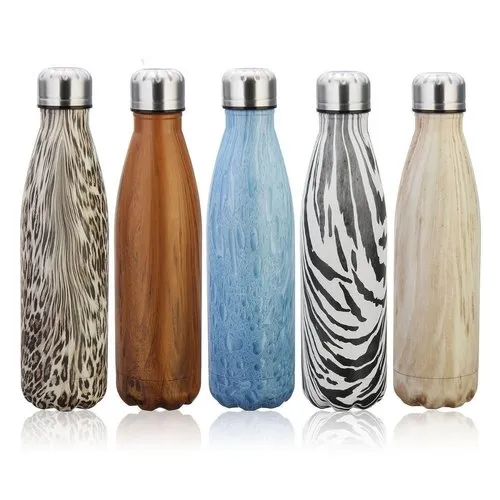
Best for curved surfaces and full surface coverage.
Water transfer allows a design to wrap seamlessly around irregular shapes. It is often used for drinkware and decorative items where continuous coverage is required.
It ensures the logo does not look forced onto the product.
Choosing the Right Technique
Across enterprise branding programs, printing decisions work best when four questions are answered clearly.
How long should this product last
How visible should the branding be
How large is the production run
Is the surface compatible with the chosen method
Printing is not a back end operational choice. It directly shapes how the brand is experienced.
Final Perspective
A logo can be identical across two products and feel completely different.
The difference is rarely the artwork.
It is the finish.
Brands that pay attention to execution signal consistency. Brands that do not leave perception to chance.
In corporate environments where credibility matters, that distinction is not small.
It is lasting.