Most organisations agree on one fundamental point.
Recognition matters.
Yet, across enterprises, there remains a persistent gap between intent and impact. Rewards and recognition programs are often well-meaning, but their effectiveness diminishes over time. Not because teams stop valuing appreciation, but because recognition becomes predictable, routine, and disconnected from real effort.
Teams do not disengage because recognition exists.
They disengage when it starts to feel automatic.
What consistently works is not more rewards, but better-designed recognition systems.
Recognition Has Greater Impact When It Is Team-Centric
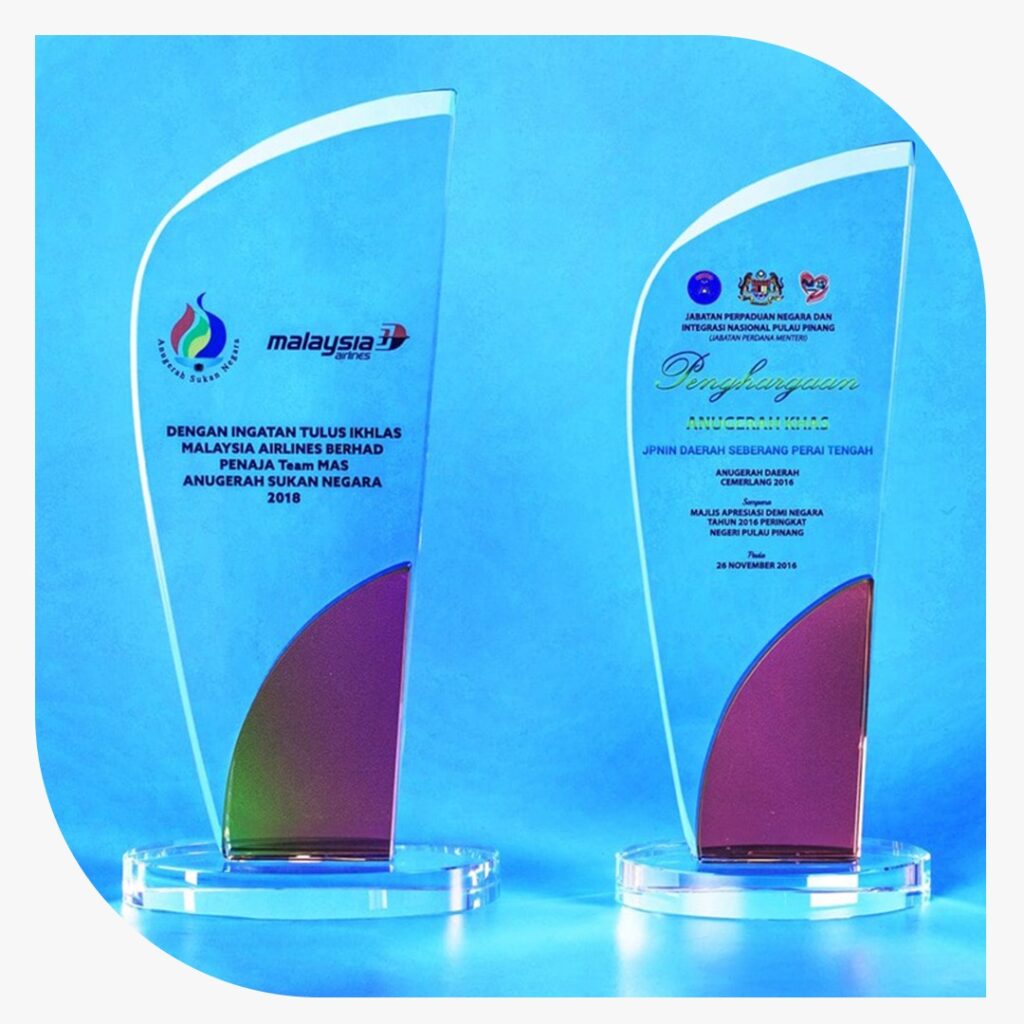
Across large organisations, the most effective recognition is often collective rather than individual.
When teams are recognised together, the focus shifts from who stood out to what was achieved collectively. This mirrors how work actually happens in enterprise environments. Collaboration, cross-functional effort, and shared accountability drive outcomes.
Team-based recognition also increases participation. When teams are involved in deciding how recognition is experienced, engagement rises organically. The act of choosing becomes part of the recognition itself.
Implication:
Recognition frameworks should reflect how value is created. In most cases, that value is built by teams, not individuals.
Creativity Comes from Relevance, Not Novelty
A common misconception is that creative rewards need to be dramatic or unconventional.
In practice, teams respond better to relevance than novelty. What sustains engagement is variety and intentionality, not spectacle. Recognition loses impact when it feels recycled or indistinguishable from previous cycles.
Experience-inspired rewards perform well because they signal thoughtfulness without adding operational complexity. Wellness, learning, and interest-based themes consistently resonate because they acknowledge employees beyond their immediate roles.
Principle:
Creativity in recognition is defined by relevance to the team’s context, not by how different the reward looks.
Timely Recognition Outperforms Delayed Recognition
Timing plays a critical role in how recognition is perceived.
Recognition delivered close to the moment of contribution feels earned and authentic. When it arrives weeks later, it often feels procedural. This is why spot recognition for collaboration, delivery, and problem-solving tends to outperform delayed, annualized rewards.
Teams do not require recognition to be large or public.
They require it to be timely.
Benchmark:
Recognition systems should prioritize speed and relevance over scale.
Merchandise Only Works When It Is Genuinely Usable
Corporate merchandise remains one of the most misunderstood recognition tools.
Low-engagement merchandise is rarely rejected openly. It is simply unused. The distinguishing question is straightforward. Would the item still be used if it carried no branding?
High-engagement merchandise is subtle, practical, and integrated into everyday work. Items that blend seamlessly into daily routines build quiet pride and long-term association.
Guideline:
If merchandise requires attention to be noticed, it is unlikely to sustain engagement.
Consistency Builds a Stronger Culture Than Occasional Grand Gestures
Many organisations concentrate recognition into a few large moments each year. This creates pressure on isolated events while leaving long periods without acknowledgement.
Consistent, year-round recognition has a far greater cultural impact. Smaller, frequent gestures stabilize morale, reinforce positive behavior, and reduce burnout.
Recognition is most effective when it becomes part of organizational rhythm rather than a calendar milestone.
Wellness-Focused Rewards Reflect Modern Team Expectations
Wellness-oriented recognition performs well because it aligns with how teams experience work today. Balancing productivity, energy, and personal well-being is no longer peripheral.
Rewards that support comfort, focus, and balance communicate care without requiring explanation. Their impact is subtle but durable.
Outcome:
Teams may not explicitly call out wellness rewards, but they internalize the intent behind them.
Meaningful Achievements Require Clear Closure
For significant team milestones, recognition should feel complete.
Closure is achieved through context, not symbolism. Recognition kits tied to major achievements are most effective when accompanied by leadership communication that acknowledges effort, journey, and outcome.
Celebration without context fades quickly.
Recognition with closure stays memorable.
Sustainability Has Become a Baseline Expectation
Sustainability is no longer a differentiator for many teams. It is an expectation.
Recognition that aligns with responsible consumption, reusable products, and mindful packaging reinforces organisational values quietly but consistently. While these choices may not attract overt praise, they contribute to long-term trust.
Context Gives Rewards Their Meaning
A reward without context is simply an object.
Teams want to understand why they are being recognised, who noticed, and what mattered. Clear, intentional messaging often carries as much weight as the reward itself.
Words frame value. Without them, recognition loses clarity.
Structure Enables Scale Without Losing Intent
As organisations grow, manual recognition systems become fragile. Milestones are missed. Effort becomes uneven. Execution feels rushed.
Well-designed structure does not remove the human element. It protects it.
Platforms such as BrandSTIK, supported by FOXBOX Rewards, enable organisations to maintain consistency, flexibility, and intent across large and distributed teams. Recognition remains thoughtful even as complexity increases.
Final Perspective
Creative rewards and recognition are not about impressing teams.
They are about respecting how teams work.
When recognition is timely, relevant, and well-structured, it builds trust and engagement. That trust shows up quietly in collaboration, retention, and commitment.
The strategic question is not how creative recognition appears on paper.
It is whether teams feel genuinely recognised when it matters most.
Call to Action
Plan smarter gifting with BrandSTIK & FOXBOX Rewards
📞 +91 9594070940 | ✉ info@brandstik.com | 🌐 www.brandstik.com